
Enhancing Your Website’s User Experience: A Guide to Reducing Bounce Rates
Too many visitors leave your healthcare website within seconds. That means lost opportunities to build trust and grow your practice. Improving your user experience can reduce bounce rates and keep visitors engaged longer. This guide breaks down clear steps to improve your website optimization for better visitor engagement and a stronger online presence. For more insights, check out this resource.
Improve User Experience

Let’s begin by refining your website’s user experience, which lays the foundation for retaining visitors. By focusing on key improvements, you can ensure that each visit has a lasting impact.
Simplify Your Navigation
First, make sure visitors can find what they’re looking for in a flash. Keep your navigation menu clear and concise. Use simple labels that make sense to your audience. Too many choices can overwhelm users, causing them to leave. Aim for no more than seven main options in your menu.
A straightforward navigation helps users feel in control. Take it a step further by organizing pages logically. For example, group services under one heading and resources under another. This way, users won’t have to hunt for information, keeping them engaged longer.
Enhance Website Speed
Nobody likes a slow website. A delay of just three seconds can increase bounce rates significantly. To speed things up, compress images and use browser caching. It’s crucial to regularly test your website’s loading time using tools like Google PageSpeed Insights.
Fast websites not only encourage users to stay longer but also rank higher in search engines. This means more traffic and more potential clients finding your services.
Optimize for Mobile Use 📱
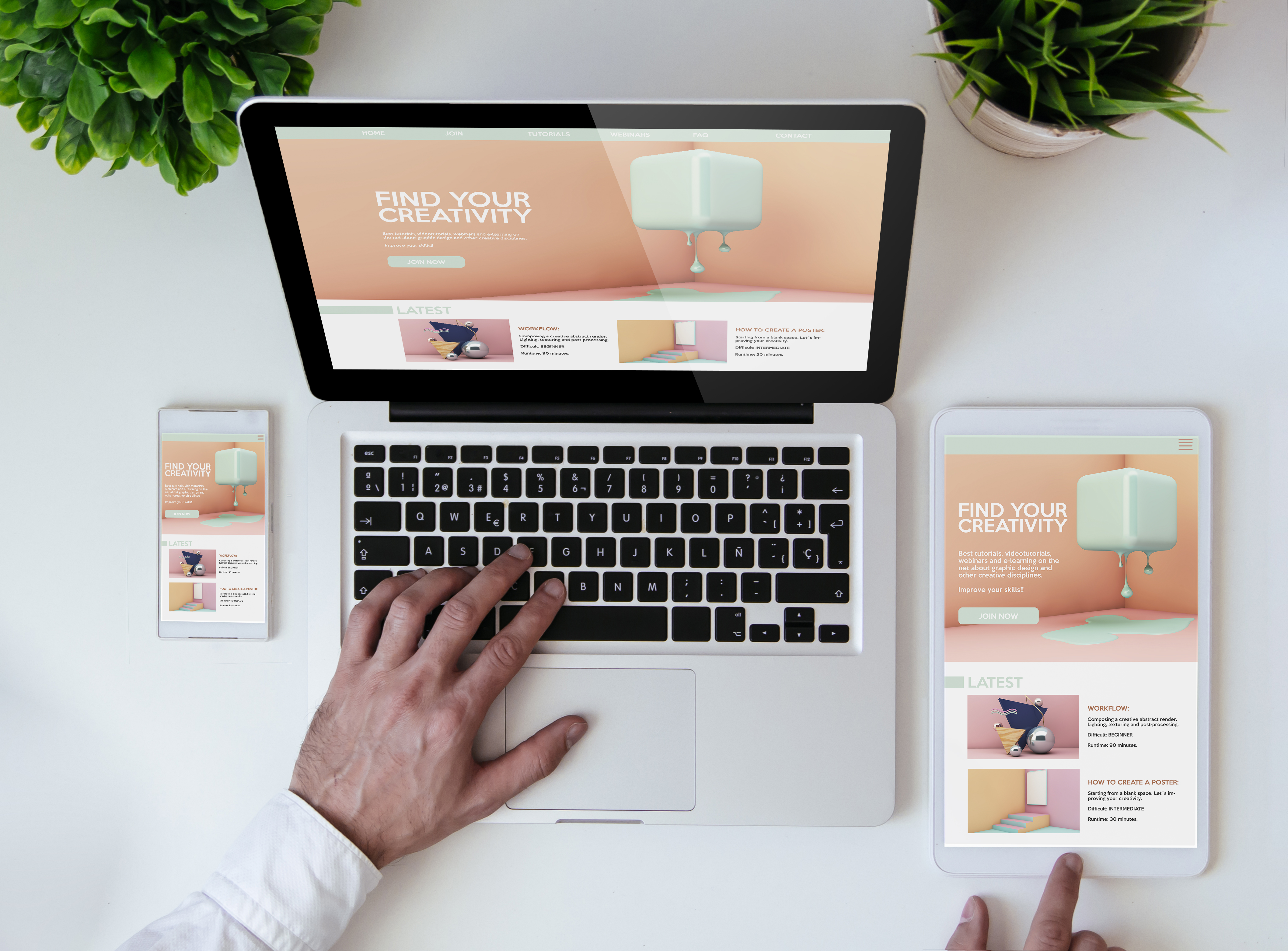
More than half of web traffic comes from mobile devices. Your site must be mobile-friendly to capture this audience. Use responsive design so your site looks great on any screen size. Avoid flash content and ensure buttons are easy to click on small screens.
Remember, a mobile-optimized site is no longer optional—it’s essential. For more tips, see this article on engaging mobile users.
Reduce Bounce Rates
Now, let’s tackle how to keep visitors from leaving too soon. By focusing on content and layout, you can hold their attention longer.
Engaging Content Strategies
Crafting content that hooks readers is key. Start with a strong headline that captures attention. Use short paragraphs and subheadings for easy reading. Incorporate visuals like images and infographics to break up text and keep interest high.
Offering value is crucial. Answer common questions your audience has or solve a problem they face. This builds trust and encourages them to explore more of your site.
Effective Call-to-Actions
Guide your visitors on what to do next with clear call-to-actions (CTAs). Use action verbs like “learn,” “discover,” or “get started” to encourage interaction. Place CTAs where they’re easy to spot but not intrusive.
Strategically placed CTAs lead to more conversions. Keep them relevant to the content on the page. A well-placed CTA can turn a curious visitor into a loyal client.
Improving Page Load Times ⏱️
Page load times can make or break user engagement. Ensure your site loads under two seconds for optimal results. Use a content delivery network (CDN) to distribute content faster to users.
By shaving even a few milliseconds off load times, you’re more likely to retain visitors and enhance their experience. Discover more on this here.
Boost Visitor Engagement

With a solid foundation, it’s time to take user interaction to the next level. Boosting engagement can lead to better retention and conversion rates.
Interactive Elements for Users
Interactive elements keep users on your site longer. Consider adding quizzes, polls, or calculators relevant to your services. These elements provide value and keep users engaged.
When users actively participate, they form a connection with your brand. This increases the likelihood of them returning to your site later.
Personalizing Visitor Experience
Tailoring content to individual users can enhance their experience. Use data to recommend relevant articles or services based on their behavior. Personalized greetings or offers can also make your site feel more inviting.
Most users appreciate a personalized touch, feeling understood and valued. This approach can significantly increase engagement and loyalty.
Building Trust with Testimonials 🌟
Testimonials and reviews are powerful tools. Share stories from satisfied clients to build credibility. Include names and photos to make testimonials more relatable and authentic.
Social proof can sway potential clients who are on the fence. Knowing others have had positive experiences makes new visitors more likely to trust your services. For more tips on building trust, visit this page.
By implementing these strategies, you’re setting up your healthcare website for success. Your improved user experience, combined with engaging content, will not only reduce bounce rates but also position your practice as a trusted authority.